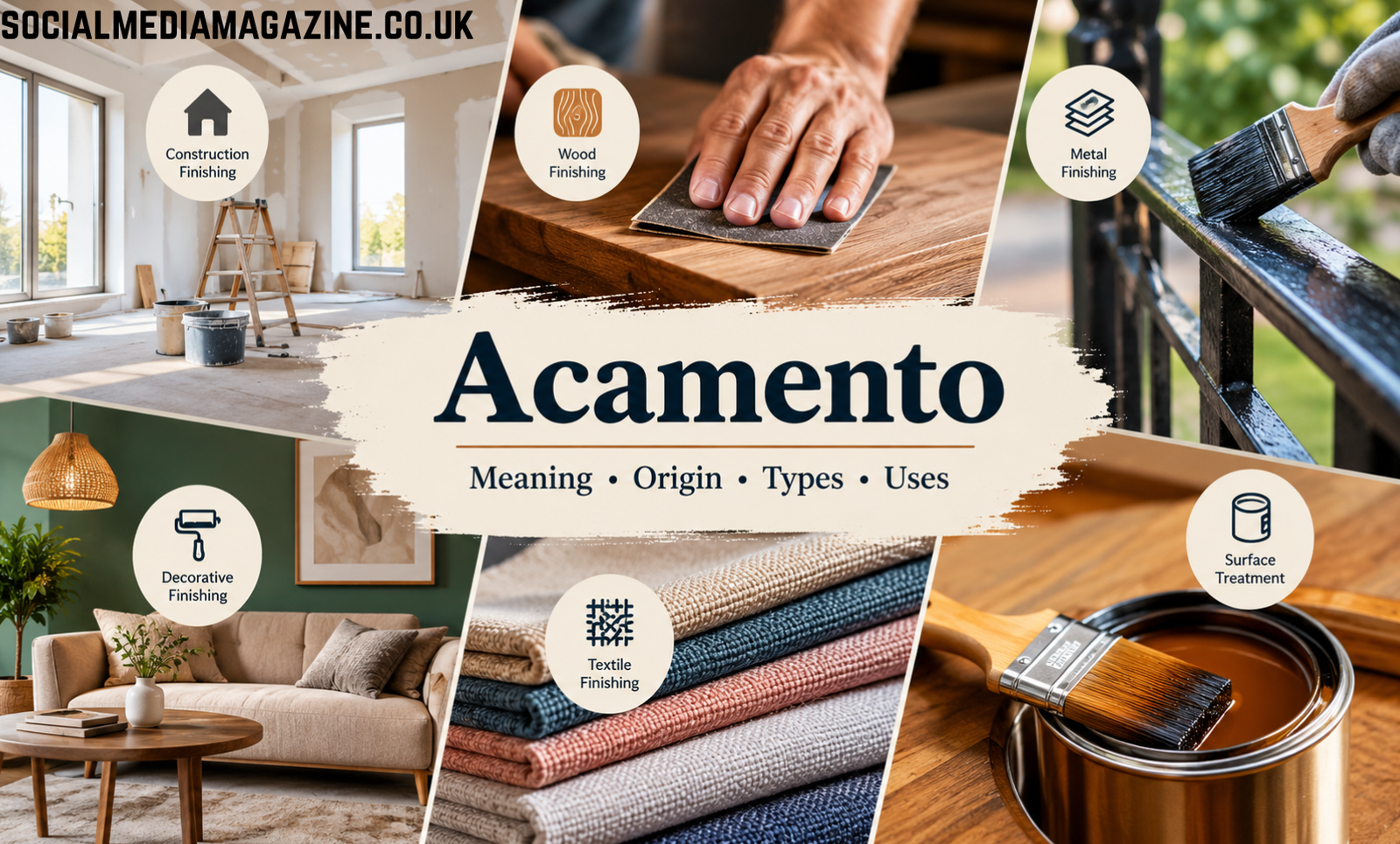
Acamento is a term associated with the finishing and improvement of materials, objects, and completed projects. It is often discussed in relation to construction, furniture production, interior decoration, and surface treatments. The basic idea involves giving something the attention it needs before it is ready for use. This might mean smoothing a wooden surface, applying paint to a wall, protecting metal against corrosion, or correcting minor imperfections in a finished product.
The word is closely connected to the Portuguese term acabamento, which refers to finishing work or the finished condition of something. However, Acamento is not widely recognized as a standard technical word in English or Portuguese. Its appearance in online content has led to different explanations, some of which extend its meaning beyond physical materials. Understanding the established Portuguese term provides a clearer explanation of the concept and its practical applications.
What Is Acamento?
Acamento can be understood as the final treatment or adjustment given to an object, surface, or project after its main work has been carried out. It involves improving the condition of something through appropriate finishing methods. These methods may change how an item looks, feels, or performs, depending on the materials involved and the purpose of the work.
A wooden chair provides a simple example. Once the pieces have been assembled, the chair may still have rough surfaces, exposed wood, or uneven edges. Sanding, applying a suitable coating, and checking the completed surface help prepare it for everyday use. These activities represent the finishing process associated with the term. Similar work takes place in building construction, metal manufacturing, decorative design, and other industries.
Acamento Meaning and Definition
The general meaning of Acamento is related to finishing, surface refinement, and the final preparation of work. It describes the process of addressing details that remain after the primary production or construction stage. Rather than referring to one particular technique, the concept covers several activities intended to bring an item to its required condition.
Finishing does not always involve making something visually attractive. In some situations, the main objective is protection or performance. A protective layer on an outdoor metal gate, for instance, may be applied primarily to reduce corrosion. In other cases, appearance is more important, such as when a decorative wooden panel is polished to achieve a particular surface texture.
Acamento Translation to English
The closest English translation associated with Acamento is finish or finishing. The meaning is linked to acabamento, an established Portuguese expression used to describe finishing work. Depending on the sentence, the established Portuguese term can refer to a completed surface, the work needed to finish something, or the quality of the final result.
There is a difference between the English words “finish” and “finishing.” A finish may describe the surface condition or treatment of an item, while finishing generally refers to the process used to achieve that condition. A cabinet’s surface may have a non-glossy appearance, achieved through preparation techniques such as sanding and applying a suitable coating. Recognizing this difference helps clarify how these terms are used in professional and technical contexts.
Which Language Does Acamento Belong To?
Acamento is most closely associated with Portuguese vocabulary, although the recognized Portuguese spelling is acabamento. Portuguese is used in several countries, including Brazil and Portugal, where the word appears in everyday descriptions of building materials, furniture, and manufactured products.
In Portuguese construction terminology, acabamento can refer to flooring, wall coverings, paintwork, and other elements that contribute to the finished condition of a property. The spelling Acamento omits part of the established word, and there is no clear evidence that it represents a separate formal term. It is therefore better understood through its linguistic connection rather than treated as an independently recognized expression.
Origin and Background of Acamento
The linguistic background of the concept can be traced to the Portuguese verb acabar, which means to finish or complete something. The noun acabamento developed from this word formation and is used to describe finishing activities or their results. The precise origin of the shortened spelling Acamento is not clearly documented.
The practical activities associated with finishing have existed for a long time. Builders, furniture makers, and craftspeople have traditionally treated materials to improve their appearance and usefulness. Wooden objects were smoothed and treated with oils, stone surfaces were polished, and metals received different forms of surface treatment. As manufacturing methods developed, these activities became more specialized, with different tools and procedures introduced for particular materials.
How Does Acamento Work?
Finishing usually begins when the main production work has reached a stage where the surface can be prepared for treatment. The first task is to examine the material and identify any defects or conditions that need attention. Dust, rough edges, uneven areas, and damaged sections may need to be corrected before the final treatment can begin.
Once the surface is ready, the next step involves choosing a treatment that matches the material and desired result. Wood might require sanding and a clear coating, while a wall may need filling, priming, and painting. Some finishes require several applications or specific drying periods. The final stage involves checking the completed work to confirm that the desired appearance and practical requirements have been achieved.
Different Types of Acamento
The finishing process takes different forms depending on the industry. Although the general purpose remains similar, the materials, equipment, and expected results can vary significantly.
1. Construction Finishing
Construction finishing includes the work that prepares a building for its intended use after major structural activities have been completed. This can involve plastering, painting, installing tiles, fitting decorative trim, and completing flooring. These activities influence the appearance of rooms and the practical condition of interior and exterior surfaces.
The quality of construction finishing can affect maintenance requirements. Poorly applied paint may peel, uneven tiles can create difficulties during cleaning, and unsuitable sealants may allow moisture to enter joints. Careful groundwork and accurate installation help ensure that construction work meets the required standards of quality and performance.
2. Wood Finishing
Wood finishing involves treating timber to achieve the required surface condition. Common techniques include sanding, staining, oiling, waxing, painting, and applying protective coatings. The method chosen depends on the type of wood, its intended location, and the appearance required.
Furniture manufacturers often use these processes when producing tables, chairs, cabinets, and doors. A wooden dining table may need a finish that tolerates routine cleaning, while an ornamental wooden object may receive a treatment selected mainly for appearance. Each product needs a suitable level of surface protection based on the conditions it will face during regular use.
3. Metal Finishing
Metal finishing involves changing or protecting the outer surface of metal products. It may include polishing, brushing, painting, plating, or applying specialized coatings. Some treatments are intended to improve resistance to corrosion, while others produce a particular texture or appearance.
The process is common in manufacturing, construction, automotive production, and equipment fabrication. A steel railing installed outdoors may require protective coating, whereas a decorative stainless steel fixture may be polished or brushed. Material properties and environmental exposure determine which method is suitable.
4. Decorative Finishing
Decorative finishing focuses on achieving a particular visual result. It may involve textured paint, surface patterns, polishing, specialized coatings, or combinations of materials. Interior designers and craftspeople use these techniques when a surface needs to match a specific design.
Decorative treatment can influence the character of furniture and interior spaces. However, the selected method should also be appropriate for the surface and its expected use. A decorative coating that performs well on an indoor wall may not be suitable for an exterior surface exposed to rain and sunlight.
5. Textile Finishing
Textile finishing refers to treatments applied to fabrics during production. These processes may improve softness, alter texture, control shrinkage, or provide certain performance characteristics. They can involve mechanical operations, heat treatment, or suitable chemical applications.
A fabric’s intended function determines which finishing treatments are most suitable. Clothing materials, curtains, upholstery, and industrial textiles have different requirements. Manufacturers choose finishing procedures according to the properties needed in the final fabric.
Importance of Acamento in Construction and Manufacturing
Finishing is important because an assembled or constructed product may not yet meet all its intended requirements. Surfaces can remain exposed, edges may require treatment, and visible defects can affect the final result. Completing these details helps prepare the product for use and can contribute to consistent workmanship.
In manufacturing, finishing may also form part of quality control. Products are often expected to meet defined standards for surface appearance, coating thickness, texture, or other characteristics. A properly managed finishing process helps reduce inconsistencies and supports the production of items that meet their specifications.
Acamento in Interior Design
Interior finishing influences the overall appearance and functionality of residential and commercial spaces. Wall treatments, flooring, cabinet surfaces, ceilings, and decorative details all contribute to the completed interior. Designers select these elements according to the purpose of the room, available budget, and expected maintenance requirements.
Kitchen materials are often selected for their ability to withstand regular cleaning, whereas bedroom finishes may be chosen primarily for their visual appeal and surface feel. Commercial spaces often require finishes suitable for regular use by many people. The correct choice involves balancing visual preferences with practical considerations.
Acamento in Furniture Production
Furniture finishing takes place after the main components have been cut, shaped, and assembled. Workers may remove rough areas, adjust visible joints, smooth edges, and apply surface treatments. These activities can improve the appearance and handling of furniture while helping protect exposed materials.
The process also influences how customers assess workmanship. Uneven coatings, visible sanding marks, and poorly treated edges can reduce the perceived quality of an otherwise functional item. Manufacturers therefore need to consider finishing during product planning rather than leaving all decisions until the final stage.
Common Materials Used for Finishing
Finishing materials depend on the surface being treated. Paints, varnishes, oils, waxes, primers, sealants, polishing compounds, and abrasive materials are among the products commonly used. Each serves a different purpose, and some require particular preparation or application conditions.
Selecting the correct material is important. A coating designed for indoor furniture may not provide suitable protection outdoors. Similarly, a product intended for metal may not be compatible with wood or plaster. The material, exposure conditions, and manufacturer instructions should guide the choice.
Examples of Acamento in Everyday Life
Many ordinary objects undergo finishing before reaching the consumer. A wooden desk may be sanded and coated, a ceramic tile may receive a glazed surface during production, and a metal household fixture may be polished. These treatments help produce the appearance or properties expected from the finished item.
Home improvement provides further examples. Repainting a room, refinishing an old cabinet, sealing suitable stone surfaces, and applying protective treatment to exterior timber are all finishing-related activities. The methods differ, but each involves treating an existing surface to achieve a particular result.
Benefits of Proper Acamento
One benefit of appropriate finishing is improved surface quality. Roughness, minor irregularities, and visible imperfections can often be reduced through preparation and treatment. This can make objects more comfortable to handle and help surfaces achieve a consistent appearance.
Finishing may also contribute to durability when a suitable protective treatment is used. Certain coatings help limit damage from moisture, abrasion, or environmental exposure. Other benefits can include easier cleaning, more consistent product quality, and reduced maintenance needs. The actual results depend on the material and the quality of application.
Common Problems During the Finishing Process
Finishing problems often begin with inadequate preparation. Applying a coating to a dirty or unstable surface can interfere with adhesion and produce an uneven result. In woodworking, insufficient sanding may leave visible scratches, while painting over damaged plaster can allow underlying defects to remain noticeable.
Another issue is using the wrong material or applying it incorrectly. Some products require controlled temperatures, ventilation, drying intervals, or particular application techniques. Ignoring these requirements may lead to premature wear, peeling, cracking, or other failures. Following appropriate procedures is generally more effective than attempting to correct poor preparation with additional finishing layers.
How to Select the Right Finishing Method
The right surface treatment depends on the material’s properties and its expected working conditions. Items kept outside generally need finishes that can withstand environmental exposure, while decorative pieces used indoors may call for a different approach. The expected amount of wear, cleaning needs, and desired appearance should also influence the decision.
Cost is another factor, but initial expense should not be considered alone. An inexpensive surface treatment can become a costly choice when repeated repairs and upkeep outweigh the initial savings. Comparing performance, maintenance requirements, and application costs can help identify a practical option.
Is Acamento Worth It?
Finishing work is worth considering whenever it contributes to the required appearance, performance, safety, or protection of a product. In construction and manufacturing, certain finishing operations are essential parts of the work. Without them, the product may remain unsuitable for its intended purpose.
However, elaborate finishing is not necessary for every item. A simple utility shelf may need only smooth edges and suitable surface protection, while a decorative cabinet may justify additional polishing or specialized treatment. The appropriate level of finishing should reflect the product’s function, expected lifespan, and budget.
Acamento and Product Quality
The finished surface of a product often provides visible evidence of workmanship. Consistent coatings, carefully treated edges, and properly completed joints can contribute to a positive impression. These details are especially noticeable in furniture, interior fittings, and decorative products.
Nevertheless, a good finish does not guarantee that the underlying product is well constructed. Material quality, structural strength, assembly methods, and design remain important. Finishing should be viewed as one part of overall quality rather than a substitute for reliable construction.
Can Acamento Be Applied to Digital Projects?
Some online writers use Acamento more broadly to describe the final refinement of websites, documents, graphics, or other creative work. This is an informal extension of the finishing concept, not an established technical meaning of the word. In digital projects, the comparable stage involves checking details before a product is released.
For example, a website may require adjustments to its layout, typography, navigation, and mobile display before publication. A document may need proofreading and formatting checks. These activities resemble physical finishing because they address remaining issues after the main work has been completed.
The Future of Finishing Processes
Finishing techniques continue to change as industries adopt new equipment and materials. Automated coating systems, precision sanding machines, and controlled surface-treatment processes can help manufacturers achieve consistent results. The usefulness of these technologies depends on production volume, material requirements, and installation costs.
Environmental and workplace considerations also influence finishing methods. Manufacturers may evaluate emissions, waste generation, energy consumption, and worker safety when selecting materials and equipment. Such advances belong to established surface-treatment practices and do not indicate that Acamento represents an independent technological category.
Conclusion
Acamento is most reasonably understood through its connection with the Portuguese word acabamento, which refers to finishing or the final condition of work. Although the shortened spelling does not have a clearly established technical definition, the associated concept is relevant to construction, furniture production, manufacturing, interior design, and surface treatment.
Finishing helps bring materials and products to the condition required for their intended use. Its value depends on appropriate preparation, suitable materials, correct application, and the purpose of the completed item. Understanding these factors makes it easier to recognize why finishing is an important part of many practical and industrial activities.