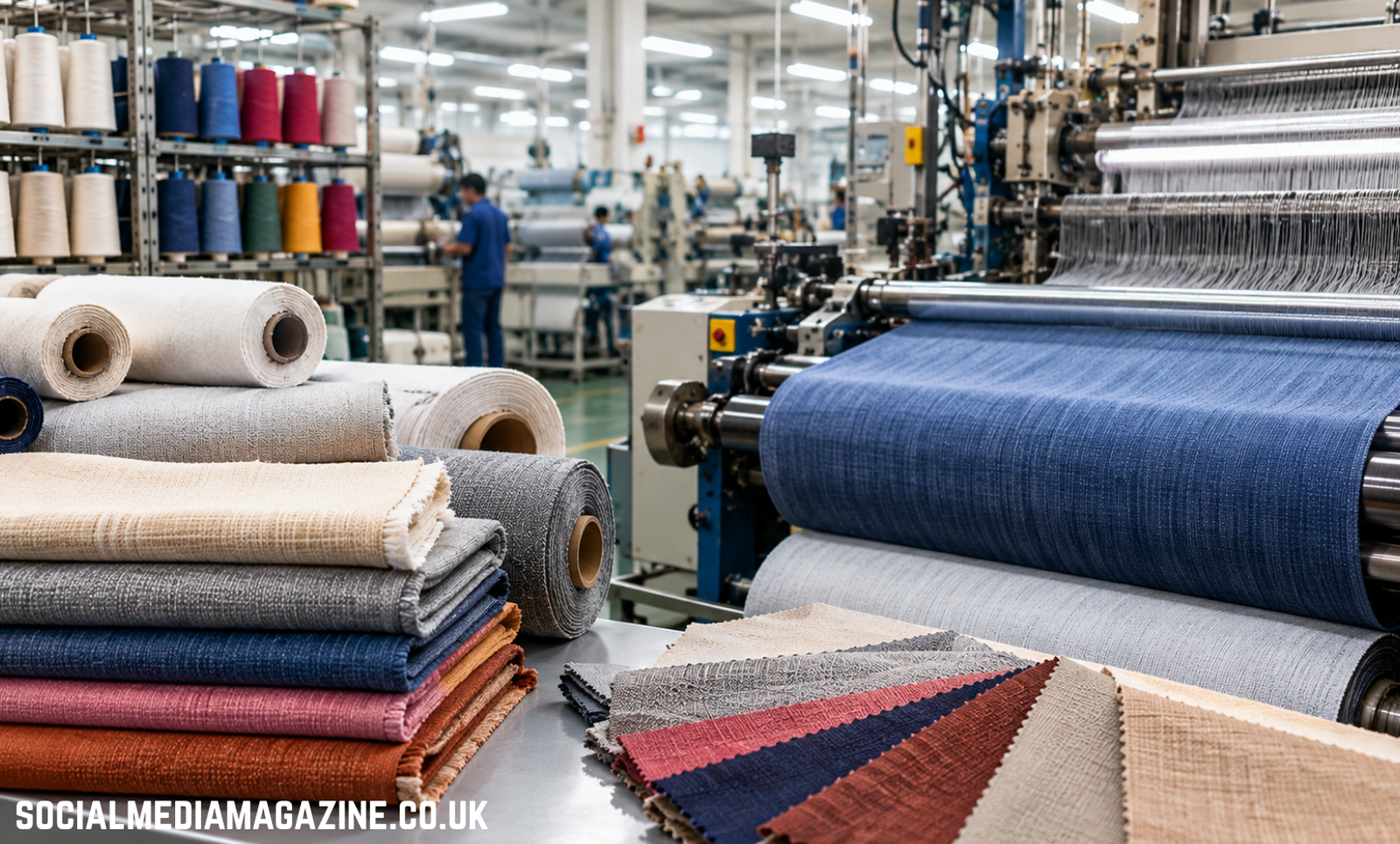
Chromtex is a name associated with the textile and materials industry, where fabric selection, manufacturing consistency, and product suitability influence how materials perform in practical applications. Textile businesses operate across several markets, supplying materials for clothing, furniture, commercial interiors, and industrial purposes. Their work often involves balancing production requirements with customer expectations concerning durability, appearance, comfort, and cost.
Information associated with Chromtex identifies 2005 as its establishment year and includes Romanian business registration details. However, publicly verified information about its founders, complete product catalogue, manufacturing facilities, and current operations is limited. Understanding the company therefore requires distinguishing its reported business background from the wider textile processes and product characteristics relevant to this industry.
What Is Chromtex?
Chromtex is described as a business connected with textiles and material-related activities. Its name suggests an association with fabric products, although a company name alone cannot establish its exact manufacturing specialization. The supplied company information presents Chromtex as an organization focused on textile quality and performance-oriented materials.
Textile businesses can operate as manufacturers, processors, wholesalers, distributors, or suppliers. These activities differ considerably. A manufacturer may convert fibers and yarns into finished fabric, while a distributor might purchase materials from several producers and supply them to commercial buyers. Until dependable information clarifies how Chromtex conducts its business, the company cannot reasonably be credited with performing every operation involved in producing textiles.
Origin and Establishment of Chromtex
The business details associated with Chromtex identify 2005 as the year of registration. The reported registration number is J37/745/2005, accompanied by the identification code 18072670. These identifiers follow the format used in Romanian business records, suggesting that the company’s formal registration is connected with Romania.
The registration details are useful for identifying the business, but they do not independently establish its precise incorporation date, registered address, founder, or initial commercial activities. Those details would need confirmation through an official company registry or reliable corporate documentation.
The textile industry already had established international production networks by 2005. Businesses entering the sector during that period faced competition involving manufacturing costs, product consistency, delivery schedules, and changing customer requirements. A company operating in this environment would need to identify a practical market position, whether through specialized materials, competitive sourcing, dependable supply, or particular customer relationships.
Who Founded Chromtex and Why Was It Established?
The identity of Chromtex’s founder has not been reliably established from the available information. Similarly, there is insufficient evidence to name its original directors, investors, or management team. Although the registration year provides a starting point for examining the company’s history, it does not explain the personal or commercial circumstances behind its formation.
Textile enterprises are commonly established to meet demand for fabric manufacturing, processing, or distribution. Some concentrate on local garment producers, while others serve furniture businesses, industrial customers, or international buyers. These are possible business models rather than confirmed reasons for Chromtex’s establishment. Determining its original purpose would require historical company records or statements from its founders.
Understanding Chromtex’s Position in the Textile Industry
The textile sector contains several connected stages, beginning with raw material production and continuing through yarn preparation, fabric construction, finishing, distribution, and product manufacturing. A business may participate in one stage or coordinate several activities through suppliers and production partners.
Chromtex’s reported connection with textile materials places it within this broader commercial environment. However, its exact position in the supply chain remains unclear. This distinction matters because the equipment, workforce, technical knowledge, and quality responsibilities of a fabric mill differ from those of a textile trading company.
For buyers, understanding a supplier’s actual business model can be more valuable than general descriptions of innovation. It helps establish who manufactures the fabric, who controls product specifications, and which organization is responsible when materials fail to meet agreed requirements.
Products and Materials Associated With Chromtex
Available details offer no reliable confirmation of which specific fabrics or other textile goods are currently included in Chromtex’s product range. Consequently, individual fabric ranges, proprietary materials, or branded product lines cannot be presented as confirmed company offerings.
The following material categories explain the principal types of products relevant to textile businesses and how customers evaluate them.
1. Woven Fabrics
Fabric weaving involves crossing horizontal and vertical yarn strands in an organized pattern to create a continuous material surface. Different weaving patterns influence the fabric’s strength, surface appearance, flexibility, and resistance to wear.
These materials are widely used in shirts, trousers, uniforms, upholstery, and various commercial textile products. Their suitability depends on fiber composition, weave structure, finishing treatment, and intended use.
2. Knitted Textiles
Knitted fabrics are constructed through connected loops of yarn. Their structure often provides greater flexibility than conventional woven materials, making them useful for clothing that requires comfortable movement.
Applications include sportswear, casual garments, underwear, and certain technical textile products. Performance varies according to the knitting method, yarn selection, fabric weight, and finishing process.
3. Synthetic and Blended Materials
Synthetic fibers such as polyester and nylon are common in textile production. These materials may offer greater protection against surface wear, maintain their original measurements, and remain comparatively easy to clean and care for.
Blended fabrics combine different fibers to achieve particular results. Cotton-polyester combinations, for example, may balance the comfort associated with cotton and the durability or care characteristics of polyester. Actual performance depends on the blend ratio and manufacturing method.
4. Technical Textiles
Technical textiles are developed primarily for functional requirements rather than decorative appearance. Depending on their design, they may be used for filtration, protective clothing, reinforcement, insulation, or industrial components.
Not every textile company produces these specialized materials. Their inclusion here describes an important industry category, not a verified Chromtex product range.
How Textile Manufacturing Works
Textile manufacturing involves several operations that influence the finished material’s performance. The process normally begins with selecting fibers or yarns that meet the intended product specifications. Natural fibers may require cleaning and preparation, while manufactured fibers are produced through different industrial processes.
Yarns are subsequently converted into fabrics through weaving, knitting, or other construction techniques. The resulting material may undergo dyeing, washing, heat treatment, coating, or additional finishing operations. Each stage can alter the fabric’s appearance, texture, dimensions, and physical properties.
Production controls are particularly important because small variations in yarn quality, processing conditions, or chemical treatment can affect the finished material. Consistent manufacturing requires documented specifications, equipment maintenance, process monitoring, and appropriate inspection procedures.
These are general textile manufacturing practices. The available evidence does not establish which of these operations Chromtex performs directly.
Applications of Textile Materials in Different Industries
Textiles are used in far more products than everyday clothing. Their range of applications demonstrates why material specifications and production methods are important to commercial buyers.
Clothing and Fashion
Garment producers require fabrics suited to particular designs, climates, and wearing conditions. Casual clothing may prioritize comfort and appearance, while work uniforms may require greater resistance to repeated washing and physical wear.
Garment manufacturers must evaluate material thickness, shade uniformity, dimensional changes after washing, and how effectively the fabric handles sewing. Selecting an unsuitable material can create problems during cutting, sewing, finishing, or everyday use.
Furniture and Interior Decoration
Furniture manufacturers use textile materials for seating, cushions, wall coverings, and other interior products. Upholstery fabrics frequently need to withstand repeated friction and pressure while maintaining their appearance.
Decorative textiles also require consideration of colorfastness, cleaning methods, and environmental exposure. A fabric suitable for occasional domestic use may not perform adequately in a hotel, office, or other heavily used commercial space.
Industrial and Commercial Uses
Industrial textile applications may involve conveyor components, filtration media, protective coverings, packaging, or reinforcement materials. The choice of these materials is primarily based on their ability to meet specific technical and functional expectations.
Resistance to heat, chemicals, tension, abrasion, or moisture may be important depending on the operating environment. Specialized applications can also require testing against particular industry standards.
Automotive and Transportation
Vehicle interiors incorporate fabrics in seats, roof linings, carpets, and other components. Materials used in these settings may need to satisfy requirements concerning wear, flammability, color stability, and long-term exposure to sunlight.
Automotive textile specifications are often more demanding than those for ordinary decorative fabrics. Suppliers must understand the relevant technical requirements before offering materials for these applications.
Quality Standards and Material Performance
Quality in textile production cannot be determined simply by appearance or price. Two fabrics may look similar while behaving differently under repeated washing, stretching, abrasion, or environmental exposure.
Manufacturers and commercial buyers commonly evaluate textile quality through measurable characteristics. These may include tensile strength, tear resistance, colorfastness, dimensional stability, fabric weight, and surface durability.
For Chromtex, claims about exceptional quality or certified production standards would require supporting evidence. No specific certification, independent laboratory report, or documented quality management system has been established from the supplied information.
A prospective customer should therefore request technical documentation rather than relying on general descriptions of product quality.
How Textile Products Are Tested
Different tests examine different aspects of fabric performance. Abrasion testing assesses resistance to surface wear, while tensile testing measures how a material responds to pulling forces. Colorfastness testing examines whether dyes remain stable under washing, rubbing, or light exposure.
Dimensional stability testing is especially important for clothing and upholstery. A textile may lose its practical usefulness when laundering causes significant size reduction or alters its original structure.
Internationally recognized methods from organizations such as ISO, ASTM International, and AATCC are frequently used within the textile industry. The appropriate test depends on the product, buyer requirements, and applicable regulations.
A supplier’s use of a recognized testing method should be supported by actual test results. Mentioning an international standard does not automatically demonstrate compliance.
What Makes One Textile Supplier Different From Another?
Textile suppliers differ in their product specialization, manufacturing arrangements, pricing structures, technical support, and ability to meet delivery commitments. Some businesses concentrate on high-volume standard fabrics, while others supply smaller quantities of materials developed for particular applications.
Product traceability can also distinguish suppliers. Buyers may want information about fiber origins, manufacturing locations, dyeing processes, and inspection records. Reliable documentation makes it easier to investigate quality concerns and maintain consistency across repeat orders.
Chromtex cannot be objectively ranked against other textile companies without verified information about its operations, products, and customer performance. Its reported establishment year provides historical context but does not, by itself, demonstrate superior manufacturing capabilities.
Chromtex Compared With Conventional Textile Manufacturers
A conventional textile manufacturer typically operates equipment used to transform fibers or yarns into fabric. Its responsibilities may include production planning, machinery operation, process control, and factory-level quality inspection.
A textile supplier or distributor may instead concentrate on identifying appropriate products, managing inventory, coordinating orders, and delivering materials to customers. Such businesses can provide useful commercial services without operating their own manufacturing plants.
The distinction is important when evaluating Chromtex. Until its facilities and operating model are independently confirmed, describing it as an advanced manufacturer with particular production technologies would go beyond the available evidence.
Advantages of Choosing a Suitable Textile Supplier
Working with a dependable textile supplier can improve purchasing efficiency and reduce avoidable production problems. Businesses benefit when material specifications are clearly defined, samples are representative, and repeat orders maintain consistent characteristics.
Reliable communication is another advantage. Manufacturers can organize their production schedules with greater confidence when suppliers communicate shipment details clearly, discuss fabric restrictions, and offer practical technical guidance.
However, these benefits should be treated as criteria for assessing Chromtex rather than established advantages of the company. Buyers need evidence from actual transactions, product testing, and supplier performance before drawing conclusions.
Why Might Buyers Consider Chromtex?
Chromtex’s reported business registration dating to 2005 offers a starting point for researching its commercial background. A prospective buyer may consider the company if its available materials, pricing, and services correspond to a particular sourcing requirement.
The decision should depend on practical evidence. Buyers should establish whether the company is currently operating, confirm its legal identity, examine product samples, and request written specifications. They should also clarify order quantities, payment arrangements, lead times, delivery responsibilities, and procedures for handling defective goods.
An established registration history may support a company’s identification, but it does not guarantee current financial stability, manufacturing quality, or delivery performance.
Environmental Responsibility in Textile Production
Textile production can involve substantial resource use, particularly during fiber processing, dyeing, washing, and finishing. Environmental practices in textile production require careful attention to water usage, power consumption, chemical handling, and the disposal of manufacturing waste.
Some manufacturers reduce their environmental impact through improved processing equipment, water reuse systems, more efficient energy consumption, or responsible chemical management. Others develop products containing recycled fibers or materials sourced through documented supply chains.
These practices vary between companies and facilities. There is no verified basis in the supplied information for claiming that Chromtex operates a particular recycling program, uses certified sustainable fibers, or has achieved specific environmental targets.
Customers interested in environmental performance should request relevant documentation, including material declarations, facility information, and independently verified certifications where applicable.
Challenges Facing Textile Businesses
Textile companies operate in markets affected by raw material prices, energy costs, labor availability, international competition, and changes in customer demand. Fluctuations in cotton prices or synthetic fiber costs can influence production expenses and selling prices.
Supply-chain disruptions may also affect the availability of yarns, dyes, chemicals, and finished materials. Businesses that rely on overseas suppliers must consider transportation schedules, customs requirements, and currency movements.
Maintaining consistent quality while controlling costs presents another challenge. Lower-cost inputs may not always meet technical requirements, while specialized materials can require additional testing or more complicated production arrangements.
These conditions are relevant to the industry in which Chromtex is reportedly involved, although its individual exposure to each challenge is not publicly established here.
How to Verify Chromtex Before Making a Purchase
Business verification is an important part of commercial textile purchasing, especially when dealing with a supplier for the first time. The reported Romanian registration number J37/745/2005 and identification code 18072670 provide potential reference points for checking the company’s legal records.
An official registry search can help establish whether the business exists under the stated name, its registered activities, and its current legal status. Buyers should also verify that invoices, contracts, and payment instructions correspond to the correct legal entity.
Beyond registration, commercial checks should cover product samples, inspection results, customer references where available, and clear written terms. These steps provide a more dependable foundation for purchasing decisions than promotional descriptions alone.
Future Opportunities for Chromtex
The textile sector continues to offer opportunities in specialized materials, improved production efficiency, product traceability, and responsible resource management. Companies able to respond to specific customer requirements may find opportunities in both traditional fabric markets and more technical applications.
Digital production planning, automated inspection, and improved inventory systems can also help textile businesses reduce errors and manage orders more effectively. A company’s decision to introduce these methods is influenced by its financial resources, technical capabilities, and the requirements of its buyers.
Chromtex’s future direction cannot be predicted confidently without information about its current management, finances, products, and commercial strategy. Any potential expansion into advanced textiles or new markets should therefore be understood as a possibility rather than an announced company plan.
Conclusion
Chromtex is associated with the textile sector and reportedly dates its formal registration to 2005, with business identifiers pointing toward Romania. These details provide an initial basis for understanding its background, but important information about its founders, exact operations, manufacturing facilities, and product catalogue still requires independent confirmation.
For customers and researchers, the most useful approach is to separate documented company facts from general textile industry practices. Product specifications, testing records, legal verification, and clear commercial terms offer a stronger basis for evaluating Chromtex than unsupported claims about innovation or market leadership.